

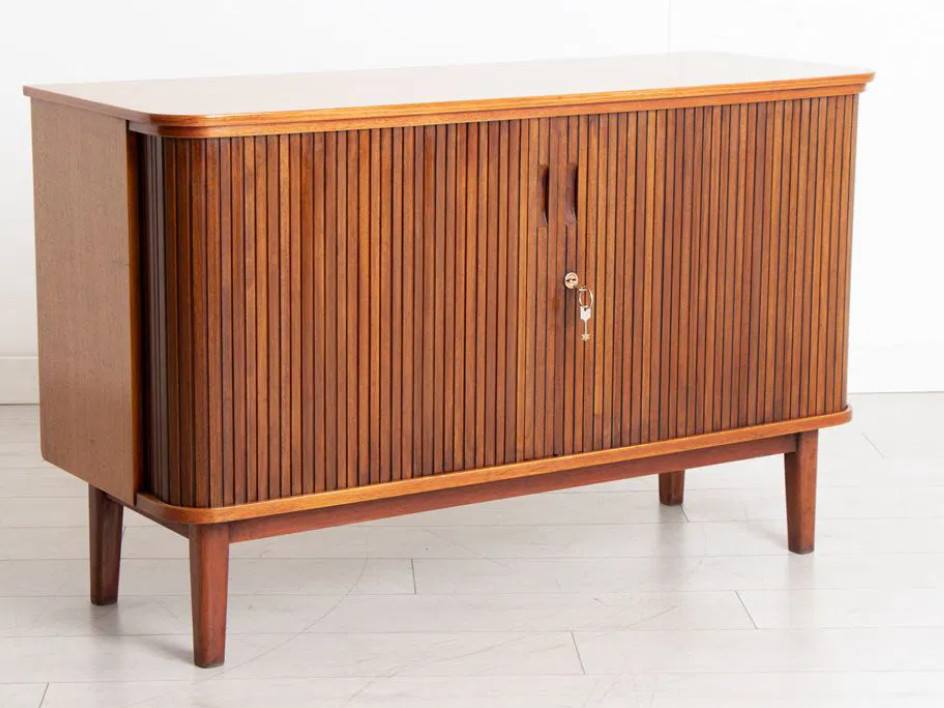
In 2025, the fashion world is currently captivated by vertical stripes. Stripes are still found everywhere in clothing and accessories to home décor. This widespread trend reflects the enduring influence of mid-century modern design, albeit with a contemporary twist.
How We Arrived at the “Stripe Hype”
While I welcome the return of vertical stripes, it’s crucial to understand their historical context. Let’s dive deeper into the origins of this trend:
The allure of clean vertical lines has a long and fascinating history in aesthetics. From the fluted columns of ancient Greek architecture to the stylized forms of Art Deco. The appreciation for clean, vertical lines is evident.


Inspired by the Bauhaus emphasis on function and form and echoing F.L. Wright’s “form and function are one,”. The mid-century modern era moved beyond the ornamental Art Deco and the austerity of the war years. This era, focused on innovation, maximized the potential of new materials and recognized the inherent beauty in functional forms. These principles were seamlessly integrated into streamlined furniture and architecture, solidifying the appeal of clean lines.


From Construction to Aesthetics
Striped patterns in mid-century modern design weren’t merely superficial. They often arose directly from the construction and technical solutions employed, while geometric shapes were a defining feature. Designers cleverly transformed inherent construction constraints into visually appealing design patterns. Practicality became a key element of the aesthetic.


Tambour Door Cabinets
This drive for ingenuity is evident in the resurgence of tambour doors. Mid-century modern designers thrived on pushing boundaries, experimenting with new inventions and time-proven design methods. They sought to move beyond purely decorative styles offering a fresh approach.


Tambour doors—sliding doors with a twist—perfectly illustrate this. The resulting furniture cabinets were not only beautifully designed but also possessed with the sophistication of a hidden, yet simple mechanism. Narrow wooden slats, or segments, of tambour doors are arranged vertically. They are tightly panelled and glued onto a canvas backing. The ingenious mechanism is revealed when the door slides along its curved path, creating a captivating array of vertical lines. This movement adds distinctive character to the furniture. The joints between segments were often emphasized, transforming slats into flutes and further enhancing the visual appeal. This clever design element arose directly from the functional needs of the sliding mechanism. Bulky round sides of tambour door cabinets often concealed this mechanism, resulting in a new trend of round corners and edges. This later influenced the design of appliances like the “retro” style fridges.


Round Glass Corners
This focus on innovative use of materials extended beyond wood to include glass as well. Round glass corners, constructed using vertical glass segments, were another popular feature. These glass-segmented corners, complementing the sliding doors of display units, created a stunning fragmented effect.


Contemporary Echoes
The combined visual effect of the flutes on tambour units and the vertically segmented glass is echoed in contemporary variations – reeded glass, decorative fluted panels, vertically grooved kitchen doors, and segmented accent points.
Capturing the Essence of Mid-Century Modern Design
Ultimately, a deeper understanding of the principles that shaped mid-century modern design – its focus on function, materiality, and innovation is crucial for truly capturing its essence in contemporary interpretations. By going beyond mere surface-level imitation and embracing the spirit of experimentation that characterised the original movement, designers can create truly authentic and inspiring contemporary expressions of this enduring aesthetic.
Bonus material: How to Make a Sliding Tambour Door | Rockler Skill Builder